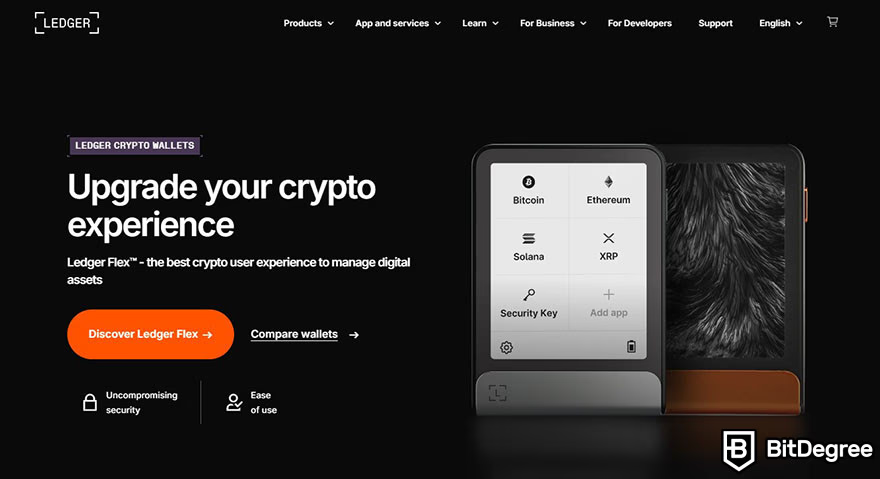
Welcome to your official guide for setting up your Ledger hardware wallet and getting started with cryptocurrency trading and storage. Whether you're brand new to digital assets or transitioning from software wallets, this guide covers every step to securely onboard using Ledger.com/start.
Ledger is one of the most trusted names in crypto hardware wallets. With millions of devices sold worldwide and uncompromised security, Ledger gives you complete control over your private keys and digital assets. Hardware wallets offer unmatched protection by keeping your keys offline, away from hackers, phishing attempts, and malware.
At Ledger.com/start, users can begin their crypto journey safely. From unboxing to making your first transaction, the onboarding process is streamlined for both beginners and advanced users.
Setting up your Ledger device is simple when following the official guide. Here's a step-by-step breakdown:
The recovery phrase is the most critical aspect of your Ledger setup. It is your only backup if the device is lost or damaged. Here are a few tips:
Once your device is ready and your crypto is secured, you can also use the Ledger Live app to buy, sell, or swap coins. Ledger Live integrates with trusted third-party exchange partners like Coinify, MoonPay, and Changelly, making it easy to manage everything in one place.
Benefits of using Ledger Live for exchanges:
Ledger devices, such as the Nano S Plus and Nano X, use a certified secure element chip (the same used in passports and credit cards). With frequent firmware updates, Ledger stays ahead of emerging threats. Ledger Live uses device authentication to prevent phishing and man-in-the-middle attacks.
You can also set a passphrase (25th word) for added protection. This gives plausible deniability and extra layers of security to your crypto assets.
Unlike software wallets which reside on internet-connected devices, Ledger wallets keep your private keys in an isolated environment. This eliminates the risk of malware or screen-recording software stealing your login information or seed phrases.
Here’s a quick comparison:
| Feature | Ledger Hardware Wallet | Software Wallet |
|---|---|---|
| Private Key Security | Offline (Cold Storage) | Online (Hot Wallet) |
| Phishing Protection | High | Low |
| Exchange Integration | Built-in via Ledger Live | Varies by provider |
| Recovery Phrase | Manually written, offline | Sometimes stored digitally (risky) |
Even with the best tools, mistakes can lead to permanent loss. Here are mistakes to avoid:
Ledger isn’t just for holding your crypto. With Web3 integration, you can connect your wallet to DeFi apps like Uniswap, Aave, and Compound. Using the Ledger extension or WalletConnect, you can participate in staking, lending, and yield farming — all while keeping your private keys secure.
If you're having trouble setting up your Ledger wallet, the official support center is full of tutorials, troubleshooting steps, and live chat. Avoid random YouTube tutorials or Reddit threads that could lead you to scams.
With a Ledger hardware wallet and the tools at